The gap between a demo that impresses and a system that performs at scale almost always comes down to infrastructure choices made too early. From GPU cluster topology to vector index sharding strategies, the decisions you make at the infrastructure layer set hard ceilings on everything above.
The gap between a demo that impresses and a system that performs at scale almost always comes down to infrastructure choices made too early, under too little load. Every architectural decision at this layer — GPU cluster topology, embedding model selection, vector index design — sets hard ceilings on everything above it. Latency, throughput, cost, and reliability are all downstream of infrastructure.
The good news is that these decisions are increasingly well-understood. The bad news is that the right answers depend heavily on your specific retrieval patterns, document volumes, and SLA requirements. Generic advice will lead you astray. Here's how we think through it.
GPU Infrastructure: Right-Sizing the Cluster
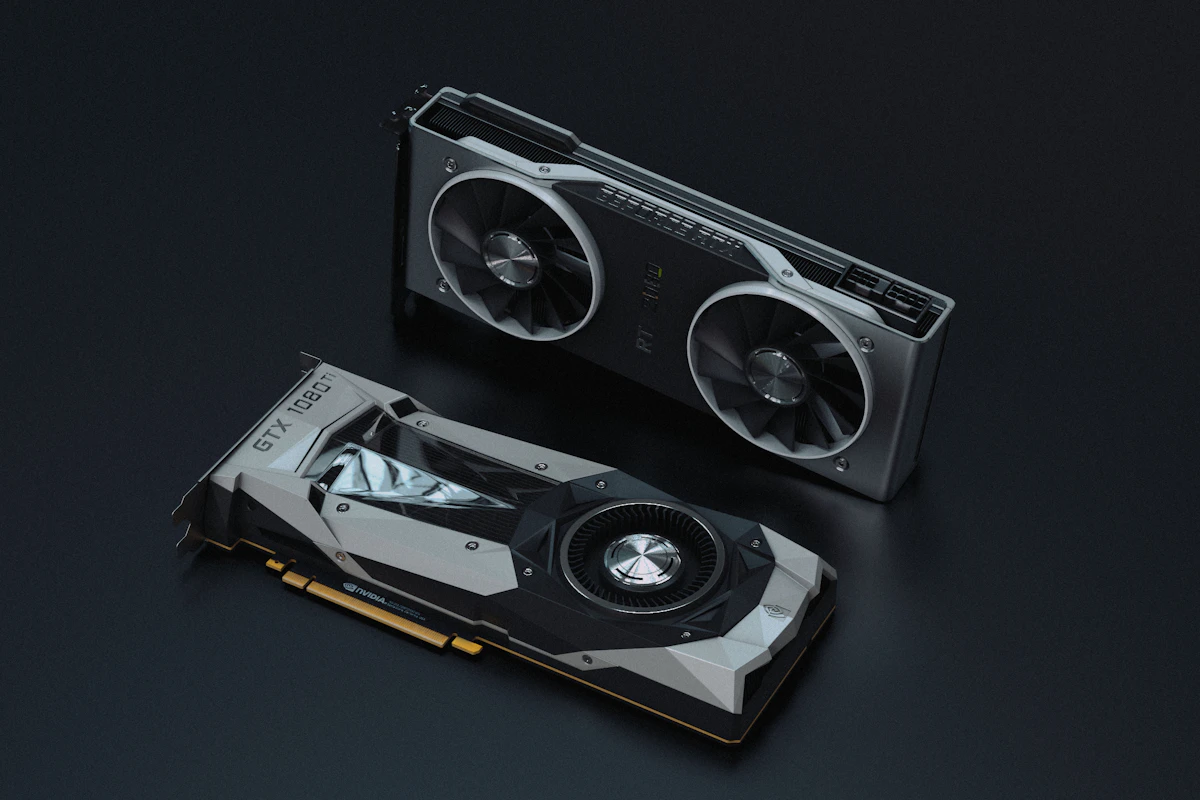
Most teams over-provision GPU infrastructure in early stages and then under-provision it when real traffic hits — because the bottlenecks they optimised for in testing aren't the ones that emerge in production. The key is separating training workloads from inference workloads from embedding workloads. Each has a different profile and often warrants different hardware.
For inference at scale, batching is everything. An A100 running well-batched inference will outperform an H100 running poorly batched workloads. Before reaching for more hardware, instrument your batch efficiency. In our experience, 70% of GPU under-performance problems are batching problems, not capacity problems.
GPU Tiers by Workload
Vector Databases: Choosing the Right Tool
The vector database market has matured rapidly. The choice is no longer about which option works — all of the major options work well — it's about which one fits your operational model, your team's expertise, and your retrieval requirements. Hybrid search (dense + sparse) is increasingly important for enterprise retrieval, and not all vector DBs handle it equally.
Vector DB Landscape
The Embedding Pipeline
The embedding pipeline is where most teams lose latency they never recover. Every step introduces overhead, and the cumulative effect compounds under load. The goal is to design a pipeline that's fast at query time — which usually means doing as much work as possible at index time.
Embedding Pipeline
"Embedding model selection is a cost decision as much as a quality decision. A smaller, well-tuned domain-specific model will outperform a large general model on your retrieval tasks — and cost a fraction of the compute."
Monitoring What Actually Matters
The metrics that matter in AI infrastructure are different from traditional services. Retrieval recall and precision are more important than p99 latency in most RAG applications. Embedding drift — where your index becomes stale as the embedding model evolves — is a slow-moving failure mode that most teams don't detect until it's already affecting answer quality. Build monitoring for the AI-specific failure modes, not just the infrastructure ones.
The infrastructure layer is the least glamorous part of an AI system and the most consequential. Get it right early, and it becomes invisible. Get it wrong, and it becomes the ceiling that every other improvement bounces off.
Ready to apply these patterns in your stack?
Book a free 45-minute AI readiness call with the Precision Data Partners team.
Book a Free Audit